

Deciding Together
The best free wishlist apps in 2026
Six free wishlist tools people actually use, what each one gets right, and where it falls short if you're furnishing a home together
Budgeting
Realistic UK prices for furnishing a first flat room by room, including the costs nobody mentions until the deliveries start arriving

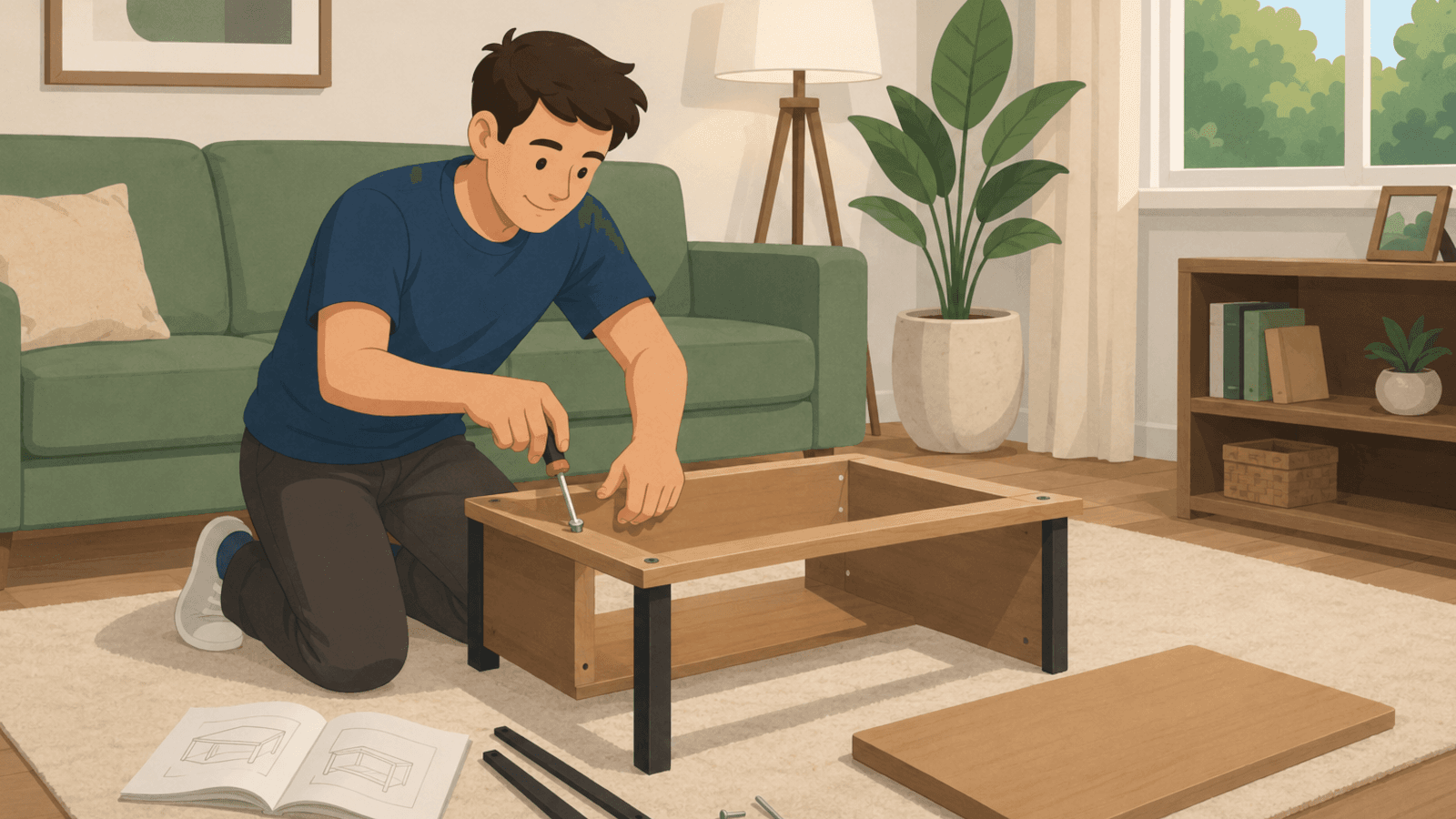
Furniture shopping is one of those things that feels cheap in the moment and expensive in total. Nothing on its own seems like a big deal, £40 here, £120 there, and then you check your bank statement a month later and can't quite explain where it all went.
Here's a realistic sense of what things cost, room by room, and where your money is actually worth spending. Pair it with our room-by-room furniture checklist if you also want the full list of what to buy, not just what it costs.
New, mid range furniture. Delivery included, assembly not. Rounded to the nearest £50. London and the South East tend towards the top of each range.
These are where most of your budget goes, and they're worth it. You'll use both for hours every single day, and they're genuinely miserable to replace early if you cheap out and regret it.
Budget somewhere between £300 and £900 for a decent new sofa from a high street retailer like DFS, Sofology or Dunelm, depending on size and fabric. For the bed, budget £250 to £700 for a frame and a mattress together, more if you're going for a super king or a specific mattress type like memory foam.
If you're only going to properly splash out on two things in the whole flat, make it these two.
A coffee table, a TV unit or some shelving, a rug and a couple of lamps will typically add another £150 to £350 on top of the sofa, depending on how much you're buying new versus already owning.
Curtains or blinds are easy to forget when you're budgeting and then turn out to cost more than expected, especially for larger windows. Set aside £60 to £150 a room for these depending on your window sizes.
A wardrobe typically runs £150 to £400 depending on size and whether it's flat pack or ready assembled. Bedside tables and lamps are usually another £60 to £150 for a pair.
Curtains here matter more than in most rooms, especially if either of you struggles to sleep with light coming in. Blackout options cost a bit more but it's rarely money wasted.
A table and chairs for two to four people typically costs £150 to £500, and this is one area where buying the right size for your actual space saves you money as well as floor space.
Then come the bits that never feel worth budgeting for individually, a bin, a drying rack, storage baskets, a bath mat, a doormat, that quietly add up to another £80 to £150 once you've bought them all.
Delivery fees rarely show up in the headline price, and they add up fast if you're ordering big items from several different shops. Budget an extra £20 to £60 per large item unless delivery is explicitly included.
Assembly is the other quiet cost. Flat pack furniture is cheaper to buy but takes a genuine Saturday afternoon to build, and paying someone to assemble a wardrobe or bed frame typically adds £40 to £90 if neither of you fancies the job.
Getting rid of anything you're replacing costs money too, unless your new item's retailer offers free old-item collection, which some do if you ask before you order rather than after.
A lot of furniture retailers now offer buy now, pay later options at checkout, splitting a big purchase into smaller payments that feel much less painful in the moment. They're not free money, and missed payments can affect your credit score.
If you do use one, treat the full amount as spent the day you order it, not spread thinly across the months ahead. It's easy to lose track of three or four of these running at once across different retailers.
Furniture prices move around a lot, sales, clearance, seasonal discounts, more than most people expect from something that isn't perishable. The sofa that's £700 today might genuinely be £550 in three weeks if you can afford to wait.
This is exactly why it's worth keeping a note of the price when you first find something you like, rather than trusting your memory of “about £600” a fortnight later when you're ready to actually buy.
Add up every room above, delivery included, and a one bedroom flat furnished from scratch with new items from mid range high street retailers comes to somewhere between £1,350 and £3,700. A second bedroom adds roughly another £550 to £1,500, and a studio costs only a little less than a one bed, since you still need nearly all the same pieces. The cards at the top have all three.
That's a wide range on purpose. Buying everything at once from one shop lands near the top of it. Being patient, mixing new and secondhand, and spreading purchases over a few months lands you much closer to the bottom.
Everything above assumes a fairly average UK price. Furnishing a flat in London or the South East, expect to sit at the upper end of every range here, sometimes past it, and delivery slots to book up faster too, especially around the end of the month when most tenancies turn over.
Outside the major cities, particularly further north, you'll often land closer to the bottom of these ranges, and secondhand marketplaces tend to have more stock relative to demand as well. Treat the figures here as a starting point, then adjust based on what you're actually seeing locally within the first week of looking, not what a number from a different city promised you.
Side tables, coffee tables, most shelving and a lot of storage do the same job whether they cost £20 or £200. This is where secondhand marketplaces are worth checking before you buy new.
Solid wood furniture especially, wardrobes and chests of drawers in particular, tends to outlast trends and hold up far better secondhand than flat pack alternatives. A previous owner's taste in handles is an afternoon's fix, not a reason to rule a whole piece out.
If you're renting, there's one more filter on all of this: whether a piece will survive the next move, into a flat whose rooms are a different shape to this one.
It's rarely one big overspend that wrecks a furniture budget. It's a dozen small “it's only £30” decisions that nobody added up as they went. That starts with agreeing a number together before either of you looks at anything, which is the first step in our guide on how to agree on furniture with your partner.
Keeping a running total of what you've actually spent, ideally somewhere you can both see it, turns those small decisions back into visible ones instead of surprises. A free furniture wishlist app does this for you automatically, since the total is just sitting there next to the items rather than something either of you has to maintain separately. That's a much better use of five minutes than finding out the hard way at the end of the month.
Spreading all this over a few months, rather than trying to nail it in one exhausting weekend, is usually what keeps a budget from actually going wrong. We've laid out a fuller month-by-month buying order if you want a plan to follow rather than just a number to aim for. Buy what you need to function first, sit in the flat for a bit, and let the rest of the list fill in as you work out what's genuinely missing rather than what looked good in a shop.
Budget roughly £1,350 to £3,700 for a one bedroom flat furnished from scratch with new mid range furniture, covering the living room, bedroom and kitchen essentials, with delivery included.
Buying some pieces secondhand can bring that down significantly.
Roughly £1,900 to £5,200 with new mid range furniture and delivery included. The second bedroom adds about £550 to £1,500 for a bed, wardrobe, bedside tables and curtains, less if it's a spare room you can furnish slowly.
Usually the sofa, followed closely by the bed and mattress together. Between them they can easily account for a third or more of your total furniture budget.
Yes, often significantly, especially for solid wood pieces like wardrobes and dining tables that are built to last. Mattresses are the main exception, most people prefer to buy these new.
Spreading purchases over a few months is usually cheaper and less stressful, since you'll actually know what you need once you're living in the space rather than guessing in advance.
Agree a rough budget per room before shopping, and keep track of what you've actually spent as you go rather than adding it up at the end. Most overspending comes from small purchases nobody totalled up.
Furnish Together does this automatically, since every item already has a price attached, so the running total is just sitting there rather than something you have to maintain separately.
The bed and the sofa. Everything else can be secondhand, mismatched or added later without much impact on daily life, but a bad mattress or an uncomfortable sofa affects you every single day.
Generally yes, both for new furniture and secondhand. If you're furnishing in London or the South East, expect prices towards the upper end of typical ranges, and outside major cities expect to land nearer the bottom.
They can, especially for larger items like sofas and wardrobes from several different retailers. Buying a few bigger pieces from the same shop, where possible, often reduces total delivery costs.
A shared furniture budget tracker that both of you can see and add to directly, rather than a spreadsheet one person owns and the other forgets to check.
Furnish Together keeps a running total per room automatically, since it's built from the price on each item you've already added, not a separate total you have to update by hand.
Write the price down the moment you find it.
Six free wishlist tools people actually use, what each one gets right, and where it falls short if you're furnishing a home together
A realistic order to buy things in, so you're not sleeping on a mattress on the floor for a month while you argue about a coffee table
Blending two flats' worth of stuff into one home is a different problem to furnishing from scratch, and it needs a different approach