Renting
Furnishing a rental together without wasting money on stuff you can't take with you
How to furnish a rented flat properly, without gambling on fixtures that won't fit the next place or upsetting the deposit


Furnishing a rental is a slightly different problem to furnishing somewhere you own, and treating it the same way usually ends with either an underfurnished flat you're embarrassed to have people round to, or a few hundred pounds spent on things that don't survive the next move.
Spend properly on the things that'll move with you, and stay cautious on anything tied too closely to this specific flat, that's the actual goal, not furnishing as cheaply as possible.
Work out what actually moves with you
Sofas, beds, wardrobes, tables, chairs, most storage, all of it moves. Fitted shelving, anything built into an alcove to the millimetre, and furniture chosen to match one room's exact proportions doesn't, or doesn't move well.
Before buying anything expensive, ask whether it would still make sense in a different flat with different dimensions. If the honest answer is “only if the next place is identical”, that's worth knowing before you pay for it.
Check the tenancy agreement before you drill anything
Most agreements allow reasonable wall fixings, hooks, curtain rails, shelf brackets, but not always. Check before you buy anything that depends on being fixed to a wall, and keep the original fittings if you remove anything, so you can put the flat back the way you found it.
Freestanding alternatives exist for almost everything that traditionally gets wall-mounted, mirrors, shelving, even TV stands. They cost slightly more and take up slightly more floor space, and they cost you nothing at the end of the tenancy.
Buy flat-pack for anything you're not sure about
Solid wood furniture is heavier, harder to move, and often doesn't survive being disassembled and rebuilt more than once. Flat-pack is built for exactly that, so it's the safer default for anything you're buying without total confidence you'll be in this specific flat for years.
Save the solid, more expensive pieces for the items you're genuinely confident about, usually the sofa and the bed, the two things you'll notice the quality of every single day.
Protect the deposit from the start, not at the end
Photograph every wall and floor before you move furniture in, not after you move out. Use felt pads under anything that touches the floor, proper picture hooks rather than nails straight into plaster, and keep receipts for anything you do fix, so you can show it was done properly if it's ever questioned.
It's also worth asking the landlord or agent directly what they'd consider reasonable, rather than assuming either way. A two-line email confirming picture hooks are fine costs nothing to send, and having that in writing is worth far more than remembering a verbal chat from move-in day if the question ever comes up at the end of the tenancy.
Agree who owns what before it becomes a question
A rental can feel like a lower-commitment stage of a relationship than owning somewhere together, which is exactly why it's worth having this conversation now, calmly, rather than after a breakup, when it's suddenly about a lot more than a sofa.
A simple rule works: whoever paid for something outright keeps it, anything split gets sold and split, and anything genuinely joint gets decided between you rather than assumed. Write it down somewhere, even just a shared note.
Aim for the middle ground: comfortable, not overcommitted
The middle ground is buying properly for comfort, sofa, bed, decent storage, while staying deliberately light on anything expensive and specific to this exact flat's quirks. You're not camping, but you're also not pretending you'll never move again.
Keeping track of what you've bought, what it cost, and what you both actually agreed on matters more in a rental, not less, because the stakes of getting it wrong (a piece that doesn't fit the next place, a cost nobody remembers agreeing to) are higher when you know you'll be doing this again in a year or two. Furnish Together works well for exactly this: a shared list you can both check before agreeing to anything, so nothing gets bought on a whim you'll be undoing at the next move.
Questions couples ask us
Is it worth buying good furniture for a rental?
Yes, for anything that moves with you, sofas, beds, storage. It's not worth spending on anything fixed to the property or sized so specifically to one room that it's unlikely to fit the next place.
What furniture should we avoid buying for a rented flat?
Built-in-style pieces sized to an exact alcove, anything requiring wall fixing you're not sure you can reverse cleanly, and large items you'd struggle to get through a different building's doors and stairwells.
Should renters buy flat-pack or solid furniture?
Flat-pack for anything you might need to move and rebuild, since it survives disassembly. Solid furniture for pieces you're fairly confident you'll keep for years regardless of address.
How do you avoid losing your deposit over furniture?
Photograph the walls and floors before you move anything in, avoid drilling where you can use freestanding alternatives, and use proper wall anchors and felt pads rather than improvising.
Should couples split furniture costs evenly in a rental?
Not necessarily evenly, but clearly. Agree upfront who's taking what if you eventually live apart again, especially for anything one of you already owned or paid for outright.
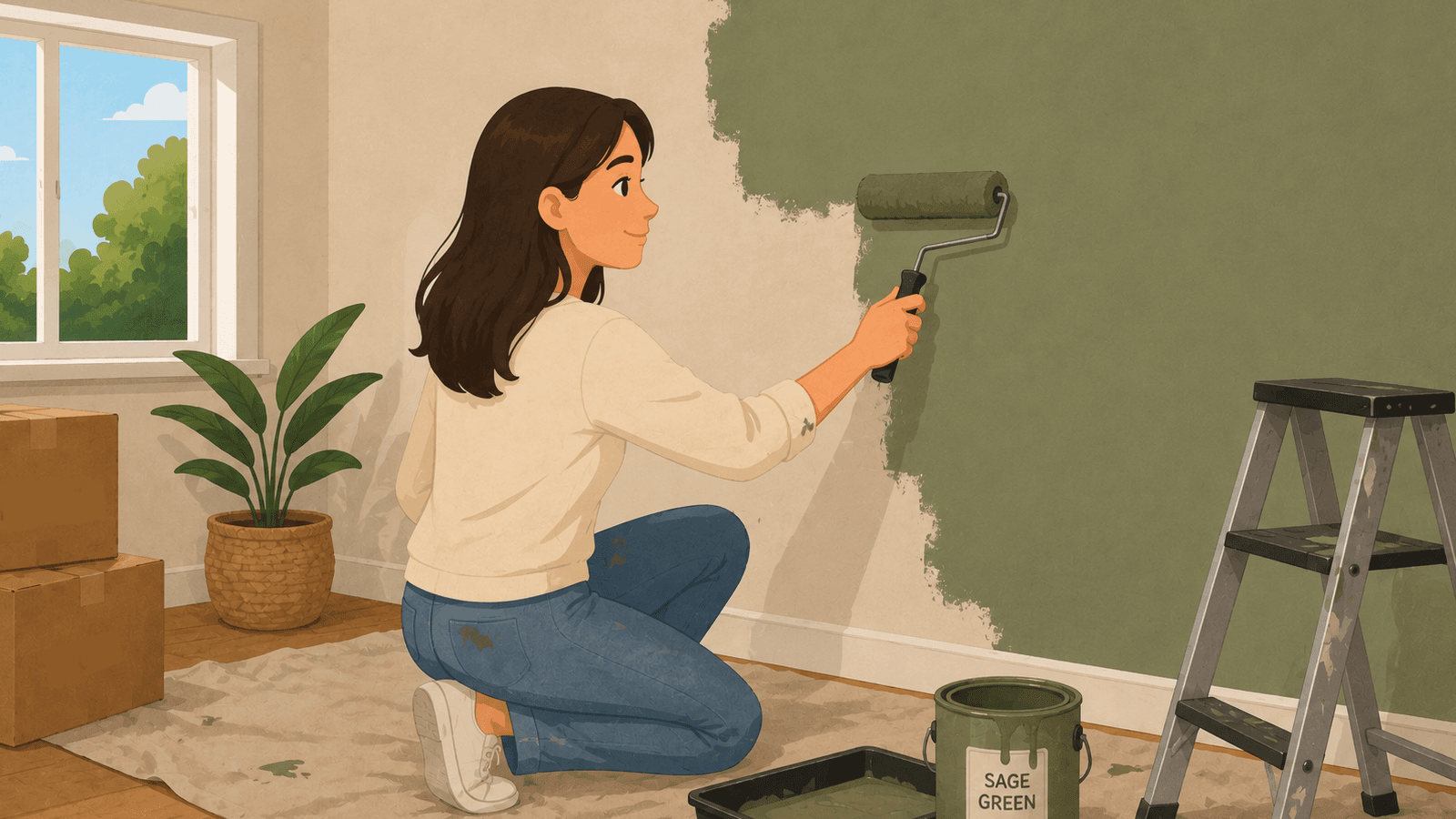
What to buy first when you're furnishing a home together
A realistic order to buy things in, so you're not sleeping on a mattress on the floor for a month while you argue about a coffee table
Moving in together when you both already have furniture
Blending two flats' worth of stuff into one home is a different problem to furnishing from scratch, and it needs a different approach

What to actually look for in a furniture wishlist app for couples
Most of these apps are built for one person's Pinterest board, not two people trying to agree on a sofa, here's what the good ones get right
Don't lose track before the next move.